
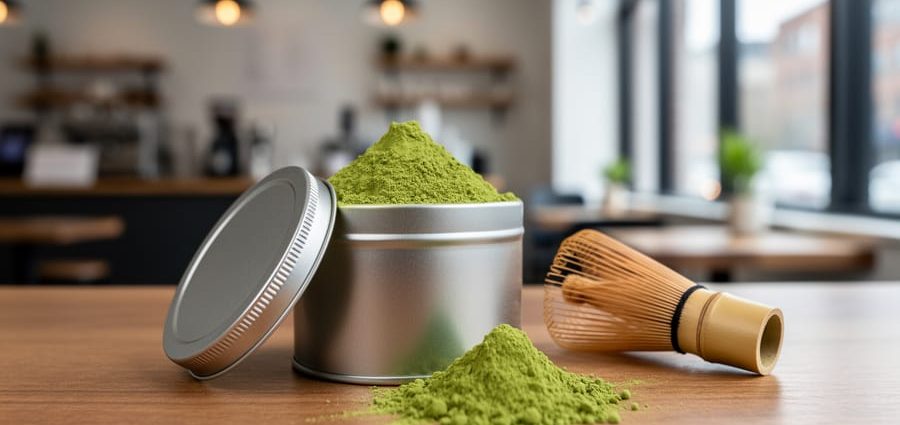
Good matcha in Toronto comes down to five checks you can make in about two minutes: the colour, the smell, the origin on the label, the harvest information, and the way the powder feels between your fingers. Bright, vivid green, a fresh grassy sweetness, a clear Japanese growing region, and a silky, fine texture point to a tin worth buying. A dull, yellow-brown powder that smells flat or dusty is a pass, no matter how nice the packaging looks.
That matters because matcha is sold everywhere in the city now, from specialty tea shops in Kensington and Chinatown to grocery shelves and online storefronts that ship across the GTA. The range in quality is huge, and the label rarely tells the full story. Words like “premium” and “ceremonial” aren’t regulated, so you can’t rely on them alone.
The good news is that you don’t need to be a tea expert. Knowing what to look for, what to ask the person behind the counter, and which red flags to walk away from will help you buy with confidence, whether you’re stocking up for morning lattes or sourcing something to whisk and sip straight.
Why Matcha Quality Varies So Much Around Toronto
Ceremonial, Premium and Culinary: What the Labels Really Tell You
Walk into any Toronto tea shop and you’ll see the same three words on tins: ceremonial, premium and culinary. They sound official, but there’s no single rulebook behind them. Each brand decides what earns the label, so treat grade names as a starting point, not a guarantee of quality.
Still, they do hint at what’s inside. Ceremonial usually means the youngest, shade-grown leaves, ground very fine and meant to be whisked with water and sipped on its own. Expect a vivid green colour, a gentle sweetness and very little bite. Premium often sits in the middle. It’s a solid everyday choice that works for drinking straight if you like a slightly bolder flavour, and it also holds up well in lattes.
Culinary is built for mixing. The leaves tend to be a bit more mature, which gives a stronger, more bitter edge that stands up to milk, sugar and butter. That makes it a sensible pick for baking, smoothies and iced lattes, where a pricier tin would be partly wasted.
A name on the front won’t tell you everything, so check the details behind it. When you’re comparing options, look for a clear origin and harvest information, which is easier to find with a dedicated Japanese matcha powder than with a vaguely labelled tin. A transparent label tells you far more than a fancy grade name ever will.
What to Bring With You: Tools and Questions for Shopping In Person or Online
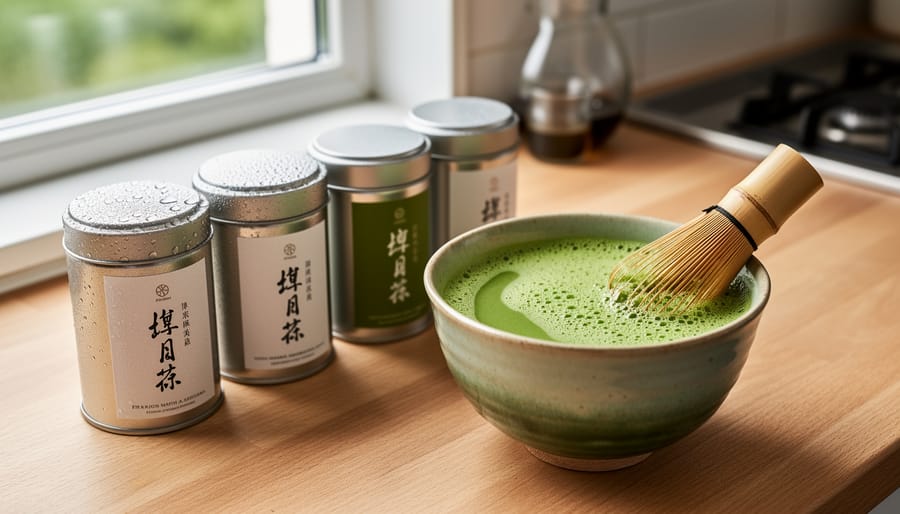
Before you buy, a little preparation goes a long way. You don’t need much, just a few questions and a couple of kitchen basics, whether you’re standing at a tea counter on Queen West or scrolling through an online shop from your couch.
Start with what the tin or product page should tell you. A seller worth your money can answer these without hesitation:
- Where was it grown? Look for a named region, not just “Product of Japan.”
- When was it harvested or packed? A recent date beats a vague “best before.”
- What’s in it? The ingredient list should read simply “green tea” or “matcha.”
- How is it packaged? Airtight, opaque tins or foil pouches protect it from light and air.
- Bring a small whisk or a handheld milk frother for your home taste test.
- Have a wide bowl or mug and some warm (not boiling) water ready.
- Set a budget before you start, so a fancy tin doesn’t talk you into overspending.
In person, you have the advantage of using your senses. Ask whether staff can open a sample tin so you can check the colour and smell it. Many Toronto tea shops are happy to chat about what they stock, and that conversation tells you plenty about how much they know their product.
Online, you can’t sniff the tin, so lean harder on information. Choose sellers who list the origin, harvest details and storage guidance clearly, and who offer a return policy in case the matcha disappoints. If a product page is thin on detail, treat that as a signal to keep looking.
Watch Out For These Red Flags Before You Pay
Some problems show up before you ever taste the powder, and spotting them can save you money and a disappointing cup.
Start with colour. Good matcha is a bright, almost electric green. If the powder looks dull, yellow-brown or olive-grey, it’s probably old, oxidized or made from lower-quality leaf. Next, check for an origin. A reputable tin tells you where the tea was grown, often a region in Japan, and ideally when it was harvested or packed. A label that just says “green tea powder” with nothing else is a reason to hesitate.
Read the ingredient list closely. Pure matcha has one ingredient: green tea. Sugar, creamer, milk powder, or “natural flavour” means you’re buying a drink mix, even if the front of the package says matcha.
Storage matters too. Open bulk bins sitting under bright shop lights lose colour and flavour fast, since light, heat and air are matcha’s enemies. Look for sealed, opaque packaging instead. And be wary of prices that seem too good to be true. Real matcha takes careful shading, hand-picking and stone-milling, so a rock-bottom price per gram usually means something was cut.
While you’re reading labels, scan for allergens and added ingredients if you have dietary restrictions, especially in pre-mixed lattes powders. Finally, buy from sellers who can answer basic questions about sourcing and handling. A good tea shop or online retailer will happily tell you where the matcha comes from and how it’s stored.
How to Choose Your Matcha in Six Steps
Reading Colour, Smell and Texture in a Shop
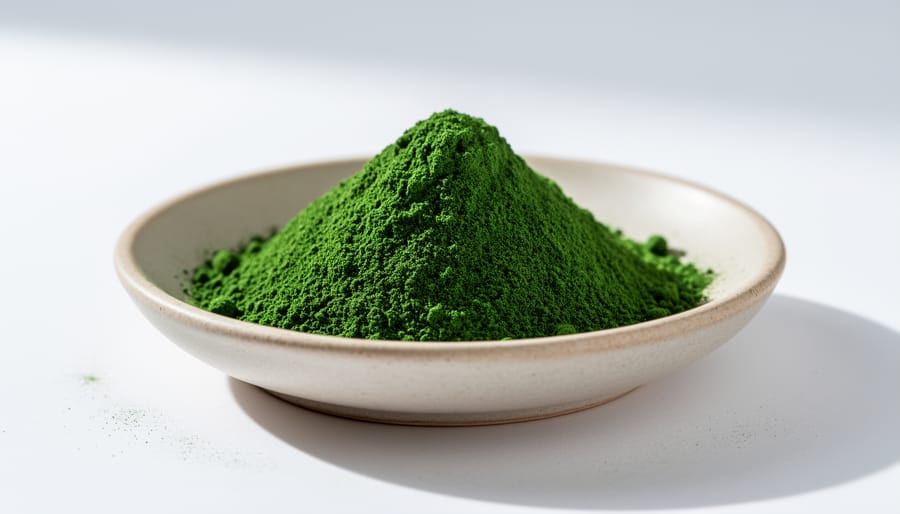
Start with colour, because it is the quickest signal you will get. Good matcha is a bright, vivid green, almost electric when the light hits it. If the powder leans yellow, olive or brown, it has likely oxidized, been stored badly, or came from lower-grade leaf. Dull colour rarely improves in the cup.
Next, smell. If the shop lets you, ask a staff member to open a sample tin or a fresh jar. Fresh matcha smells sweet and grassy, a bit like steamed spinach, sweet peas or seaweed. Flat, musty or hay-like notes suggest the tin has been sitting around. A sharp, bitter whiff is another warning sign.
Texture is the last check. Quality matcha is ground so fine it feels almost like talcum powder. Rub a pinch between your fingers and it should feel silky and cling lightly to your skin. Gritty, clumpy or coarse powder usually means a rougher grind.
Don’t be shy about asking. Many Toronto tea counters are happy to walk you through a sample, and how willingly they do so tells you something about the shop. If a tin is sealed and can’t be opened, ask whether they can describe the aroma, or whether there’s a return policy.
Origin, Packaging and Price: What to Expect
Japanese-origin matcha is what most Toronto shoppers end up hunting for, and for good reason. Regions like Uji in Kyoto, Nishio in Aichi and Kagoshima in the south have long tea-growing traditions, and the shade-growing and stone-milling methods used there are what give matcha its vivid colour and gentle sweetness. A label that names the region, or at least says “product of Japan,” tells you someone is willing to stand behind where the leaves came from. If a tin says nothing about origin at all, treat that as a gap worth asking about.
Packaging matters just as much. Matcha loses its colour and flavour quickly when exposed to light, air and heat, so look for airtight, opaque tins or foil-lined pouches rather than clear jars or loose bulk bins. A resealable seal is a bonus once you’ve opened it.
On price, expect real quality to cost more than a bargain tin, since shade-grown, stone-ground leaf is labour-intensive to produce. Rather than judging by tin size, do the quick maths: divide the price by the grams inside. A small, pricey-looking tin can be a fair deal, and a big, cheap one can be a poor one. Per-gram cost is the fairest way to compare across shops.
Verify Your Pick With a Simple Home Taste Test
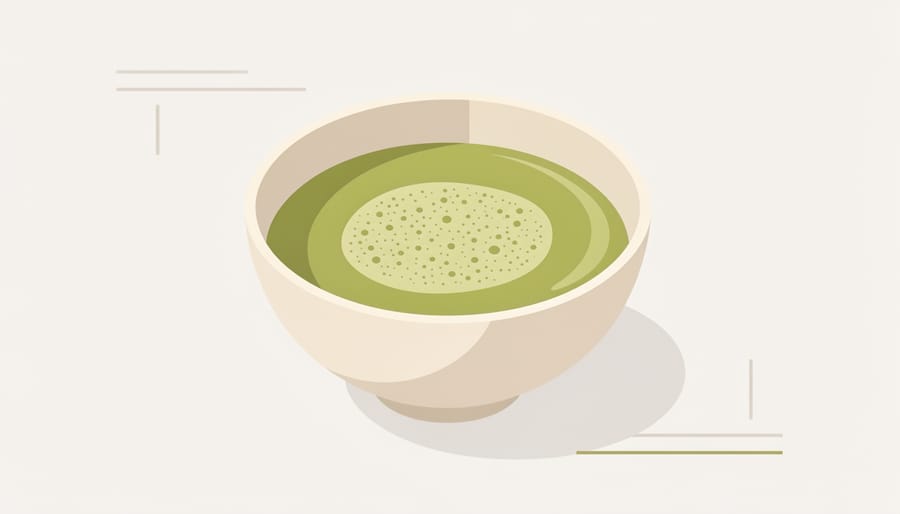
Once the tin is home, give it a proper test before you trust it with every morning. This takes about five minutes and tells you more than any label can.
Sift a half teaspoon of matcha into a small bowl, then add about 60 millilitres of warm water, roughly 70 to 80 degrees Celsius. Boiling water scorches the leaf and makes even good matcha taste harsh, so let the kettle sit for a minute first. Whisk briskly in a zigzag motion with a bamboo whisk or a small frother until a fine, smooth froth forms on top.
Now look, smell and sip. Good matcha froths evenly without stubborn clumps, smells sweet and grassy, and tastes gently sweet with a soft savoury depth (that’s the umami). It should leave a clean, mellow finish. If it’s sharply bitter, chalky, or smells fishy or stale, the powder is probably old or low quality.
Storage matters just as much as the purchase. Reseal the tin tightly, keep it somewhere cool and dark, and once it’s open, tuck it in the fridge. Plan to use it within a month or two for the best flavour, since the colour and sweetness fade over time.
If the taste disappoints, don’t just tough it out. Check the seller’s return policy first, and ask a staff member for advice if you bought locally. A tin that’s too bitter for sipping may still work well in lattes or baking. Regular tea buyers often swap tips at neighbourhood tastings and local food events which are handy places to try before you buy.
Common Questions From Toronto Matcha Shoppers
Shoppers in Toronto tend to ask the same handful of things once they start comparing tins. Here are straight answers to the ones that come up most.
Is pricier matcha always better?
Not always. A very low price is a warning sign, but a high price alone doesn’t prove quality, so judge by colour, smell, origin details and per-gram cost.
Can I use ceremonial matcha in lattes?
You can, and it will taste smooth. Many people save the pricier tins for drinking straight with water and use a culinary grade for lattes and baking, where milk and sweetener mute the subtler flavours.
How long does an opened tin last?
Matcha is at its best soon after opening, so plan to use it within a few weeks to a couple of months. Keep it sealed, cool and away from light, and expect the colour and aroma to fade the longer it sits.
Where can I try matcha before buying in Toronto?
Specialty tea shops and cafés that serve matcha are good places to taste first, and some retailers will let you smell a sample tin. If you like what you’re served, ask what they use and where it comes from.
Online ordering is another common route. If you buy from a Canadian seller, look for the same details you’d want in person: origin, harvest information, a plain ingredient list and a clear return policy. A seller who answers questions quickly and shares product information is usually a good sign.
Organic labels come up a lot too. They can matter to you personally, but they don’t replace the basics, so check freshness and origin first and treat the label as one more detail, not a guarantee of flavour.
Keep your first purchase small. A little tin lets you taste, compare and learn what you like before you commit to a bigger one.
Picking a good matcha powder in Toronto comes down to a few habits. Read the label for origin, harvest information, and an ingredient list that says only green tea. Trust your eyes and nose: bright green colour, a fine texture, and a sweet, grassy smell beat anything dull or bitter. Then taste it at home, and store the tin cool, dark, and sealed.
Don’t be shy about asking questions at the counter. Good retailers love talking about their tea, and their answers will tell you a lot. If you’re browsing neighbourhood tea counters or even some of the best unique gifts shops around the city, bring those same questions along.
Found a tin you love? Share it with your neighbours, or swap tips in local subreddits. For more ideas on what to see, sip, and do in Toronto today keep following My Town Crier.