

Ontario is facing a critical shortage of certified power engineers at the worst possible time. As the province races to double or triple its electricity generation to meet Net Zero targets by 2050, the pool of qualified professionals needed to operate power plants, industrial facilities, and energy infrastructure is shrinking just when demand is climbing.
The crisis isn’t just about empty job postings. It reflects a deeper workforce tracking problem that leaves employers, policymakers, and training institutions operating blind. Canada’s national employment data systems can’t accurately count how many power engineers are working, where they’re needed most, or how many new graduates are entering the field. Statistics Canada suppresses workforce data in smaller energy sub-sectors like electricity generation to protect company confidentiality, which means the numbers we do see vastly understate the real employment picture. Energy-specific roles often get lumped into broader trade categories without dedicated tracking codes, making it nearly impossible for employers to answer a simple question: how many qualified workers are available for a specific project?
This data gap matters because Ontario residents will feel the consequences in tangible ways. Power engineers keep the lights on, literally. They operate the boilers, turbines, and refrigeration systems that power hospitals, universities, manufacturing plants, and the electrical grid itself. When certified operators are scarce, facilities struggle to maintain around-the-clock operations, energy projects face delays, and critical infrastructure becomes vulnerable. For those exploring the profession or trying to understand certification pathways, this Ontario guide offers a starting point.
What Changed: The Certified Power Engineer Gap Widens
Ontario’s certified power engineer shortage sits at the center of Canada’s most challenging labour market in decades, yet the full scale of the crisis remains frustratingly unclear. Statistics Canada suppresses employment data in smaller sub-sectors like electricity generation to protect confidentiality, which means the official numbers understate how many power engineers actually work in the province. This creates a blind spot precisely when Ontario needs accurate workforce intelligence most: Canada must produce two to three times its current electricity generation to meet Net Zero targets by 2050, dramatically intensifying demand for the specialized engineers who operate and maintain power systems.
The tracking problem runs deeper than simple under-counting. Canada’s workforce classification systems, the North American Industry Classification System (NAICS) and the National Occupational Classification (NOC), don’t connect to each other, which makes it nearly impossible for employers to answer a basic question: how many workers in a specific trade are available for a specific type of energy project? Some energy roles lack dedicated codes entirely. Wind turbine technicians, for instance, get grouped into broader trades like millwright, obscuring the actual supply of workers trained for renewable energy infrastructure.
This data gap matters because you can’t fix what you can’t measure. Without reliable workforce numbers, provincial planners struggle to forecast shortages, training programs can’t calibrate enrollment, and employers face uncertainty when bidding on power projects. The power engineer shortage isn’t just a hiring problem, it’s an information crisis that threatens Ontario’s ability to expand the electrical infrastructure communities depend on.
Key Developments Behind the Power Engineer Crisis
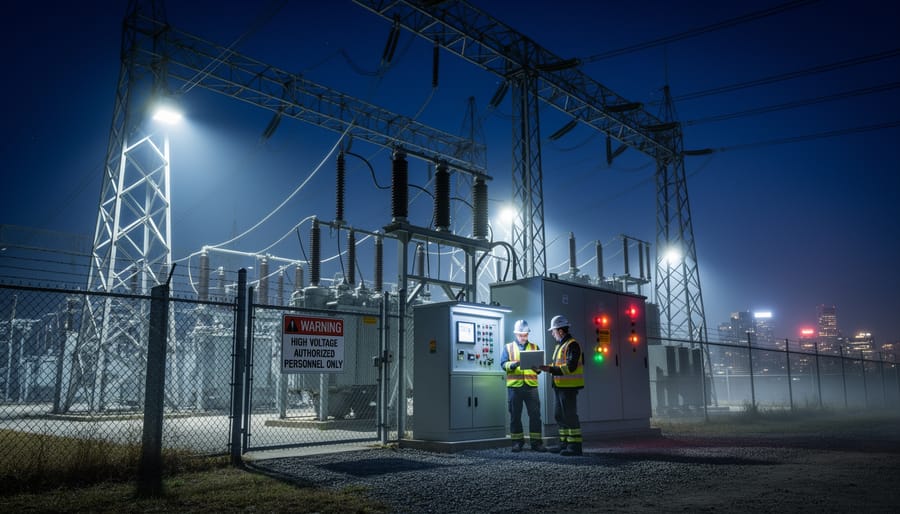
1. Hidden Workforce Data Creates Blind Spots
One of the biggest obstacles to understanding Ontario’s power engineer shortage is that the workforce itself is hard to measure. Statistics Canada suppresses employment data in smaller electricity generation sub-sectors to protect confidentiality, which means the published numbers understate how many people actually work in these roles. If you’re an employer trying to staff a new facility or expand an existing operation, you’re operating on incomplete information from the start.
The problem runs deeper than just missing headcounts. Canada tracks workers through two separate systems that don’t connect: the North American Industry Classification System (NAICS), which groups businesses by industry, and the National Occupational Classification (NOC), which categorizes workers by job type. A certified power engineer might show up in the NAICS data under electricity generation, but when Statistics Canada suppresses that sector’s numbers, the engineer disappears from the count. Meanwhile, the NOC system groups them differently, creating a disconnect that makes it nearly impossible to answer a straightforward question: How many workers in a specific trade are available for a specific type of energy project?
This gap matters more now than ever. Canada needs to produce two to three times the electricity it currently generates to meet Net Zero by 2050, which means planning major infrastructure projects without reliable data on who’s available to build and operate them. Employers can’t accurately forecast hiring needs, training programs don’t know where to focus capacity, and policymakers struggle to target interventions. The shortage isn’t just about too few power engineers. It’s about not knowing how few there are, or where the gaps hurt most.
2. Net Zero Targets Demand Two to Three Times Current Electricity Production
Canada’s commitment to reach Net Zero emissions by 2050 isn’t just an environmental target. It’s a complete overhaul of how the country generates and distributes electricity, and the scale of what’s needed is staggering. To meet that goal, Canada will need to produce two to three times the electricity it currently generates.
For Ontario, that projection translates into a massive expansion of generation capacity across the province. New wind farms, solar installations, hydroelectric upgrades, nuclear refurbishments, and grid infrastructure projects will all require skilled oversight. Every megawatt of new capacity needs certified power engineers to commission equipment, ensure safe operation, and maintain reliability standards.
The math is straightforward: triple the electricity means triple the infrastructure, which means far more power engineers than the province currently employs. But the workforce isn’t growing anywhere near fast enough to match that demand curve. The shortage already exists in today’s system. Scaling up to Net Zero levels without addressing the labor gap means projects will stall, timelines will stretch, and costs will climb.
This isn’t a distant 2050 problem. The buildout needs to start now to hit mid-century targets, which means hiring and training power engineers today for projects breaking ground in the next few years. Ontario’s utilities, industrial plants, and energy developers are competing for the same limited pool of certified professionals, and that competition will only intensify as Net Zero deadlines approach. The province faces a choice: solve the workforce pipeline issue or watch its climate commitments slip out of reach.
3. Energy-Specific Roles Fall Through Classification Cracks
The problem isn’t just that Ontario needs more certified power engineers, it’s that Canada’s workforce classification systems make it nearly impossible to know exactly how many are needed or where the gaps lie. Energy-specific roles consistently fall through the cracks of standard occupational categories, leaving employers and policymakers working with incomplete data when planning for the sector’s future.
Wind turbine technicians provide a stark example. These specialized workers maintain and repair equipment critical to Ontario’s renewable energy infrastructure, yet they don’t have a dedicated NOC code. Instead, Statistics Canada groups them into broader trades like millwright, bundling their numbers with manufacturing and industrial mechanics who work in entirely different sectors. The result: when an energy company needs to staff a wind farm project, there’s no reliable way to determine how many qualified technicians are actually available in Ontario.
Certified power engineers face similar tracking challenges. While they do have NOC recognition, the broader classification issues create blind spots that affect workforce planning across the entire energy sector. When data suppression in smaller electricity generation sub-sectors combines with these classification gaps, it becomes difficult to map where shortages are most acute or which regions need targeted training programs.
This classification problem has real consequences as Ontario races toward Net Zero. Canada needs to produce two to three times its current electricity output by 2050, which means accurately forecasting workforce needs matters more than ever. Yet the systems meant to track these specialized roles weren’t designed for an energy transition of this scale, leaving significant gaps in the data that should be guiding hiring, training, and policy decisions.
Why This Matters for Ontario

The power engineer shortage reaches beyond workforce statistics into daily realities for Ontario communities, businesses and households counting on stable electricity. When fewer certified engineers oversee the generation facilities and industrial boilers that keep hospitals warm, factories running and data centres powered, grid reliability becomes vulnerable just as the province needs to expand capacity dramatically. That two-to-three-times electricity production increase for Net Zero isn’t theoretical, it translates directly into construction timelines for new infrastructure, factory expansions delayed by staffing constraints, and higher operational costs that ripple through everything from manufacturing to municipal services.
The gap hits Ontario residents in practical ways:
- Energy costs climb when facilities operate less efficiently due to understaffing or when grid instability forces expensive backup measures
- Industrial employers face delays securing certified engineers for new projects, slowing job creation and economic development
- Hospitals, universities and commercial buildings risk compliance issues if they can’t staff their on-site boiler and HVAC systems with properly licensed engineers
- Climate commitments stall when renewable energy projects and grid modernization can’t move forward without qualified operators
Sarah Chen, a facilities manager in Mississauga, describes the squeeze: “We’ve been trying to fill a fourth-class power engineer position for six months. Every week without one means our team stretches thinner, maintenance gets pushed back, and we worry about keeping our building systems compliant.” Small manufacturers echo that anxiety, when you can’t hire the engineer needed to run your boiler legally, you can’t expand production or accept new contracts.
For families already navigating tight budgets, the shortage indirectly affects what they pay to save on energy bills and whether programs like LEAP assistance can keep pace with rising demand. Workforce gaps make the entire energy system more expensive to operate and less responsive to innovation, leaving Ontario communities paying the price while provincial leaders scramble for solutions that training data gaps obscure.
What to Watch: Next Steps and Unanswered Questions
Watch for changes in how workforce data gets collected and reported. Until Statistics Canada resolves the disconnect between NAICS and NOC systems, determining the true scale of Ontario’s power engineer shortage will remain guesswork. Any policy announcement addressing data suppression in smaller electricity generation sub-sectors would signal that officials recognize the blind spot hampering workforce planning.
Keep an eye on training program announcements from Ontario colleges and technical schools. While current enrollment and capacity figures remain unclear, expansion of power engineering programs would indicate the province is taking concrete steps to address the pipeline problem. Changes to certification requirements or fast-track pathways for experienced workers could also shift the supply side, though no such proposals have been announced.
The province’s electricity infrastructure investments offer another bellwether. With Canada needing two to three times current generation capacity to meet Net Zero by 2050, watch for major project delays or scaled-back timelines that might signal workforce constraints are biting harder. Conversely, successful recruitment campaigns or retention initiatives from utilities and industrial facilities would suggest the gap is narrowing.
Don’t overlook adjacent policy moves. Provincial energy rebates and efficiency programs affect electricity demand, which influences how urgently Ontario needs additional power engineers. The interplay between supply infrastructure and demand management shapes workforce requirements more than either factor alone.
Common Questions About Ontario’s Power Engineer Shortage
What does a certified power engineer do?
Certified power engineers operate and maintain the equipment that generates and distributes electricity, including boilers, turbines, and power plants. They ensure Ontario’s energy infrastructure runs safely and reliably, from large generating stations to heating systems in hospitals and commercial buildings.
Why is it so hard to track how many power engineers Ontario actually needs?
Canada’s workforce tracking systems have significant gaps that make it difficult to determine how many workers in specific trades are available for particular energy projects. Statistics Canada suppresses employment data in smaller electricity generation sub-sectors to protect confidentiality, which understates the real numbers and creates blind spots for workforce planning.
How does this shortage affect my electricity costs and reliability?
Without enough certified power engineers, Ontario faces challenges maintaining existing infrastructure and expanding capacity to meet Net Zero targets, which require two to three times current electricity production by 2050. These pressures can lead to higher operational costs, potential service disruptions, and delays in connecting new renewable energy projects to the grid, ultimately affecting both reliability and long-term heat pump costs as electrification expands.
What’s being done to address the power engineer shortage?
The conversation is shifting toward improving workforce data collection and addressing the disconnect between national classification systems that don’t accurately capture energy-specific roles. However, concrete solutions like expanded training programs, regulatory changes, or targeted recruitment initiatives remain under discussion without confirmed implementation timelines.
The shortage isn’t just a numbers problem on a spreadsheet. It’s a data problem that makes it harder for training institutions, employers, and government to coordinate solutions. When you can’t accurately count the workforce or predict where gaps will emerge, you can’t build effective pipelines to fill those gaps. That’s why improving how Canada tracks its energy workforce has become as urgent as addressing the shortage itself.
Ontario’s certified power engineer shortage isn’t just a workforce statistic, it’s a challenge that will shape the province’s energy future and affect every community’s ability to grow, power new development, and meet climate commitments. The data gaps that make this crisis difficult to track also make it harder to solve, leaving employers, policymakers, and training institutions working with incomplete information while demand continues to climb. As Canada navigates its most challenging labour market in decades and pursues electricity production levels two to three times higher than today, the need for qualified power engineers will only intensify. Residents should watch for updates on workforce development initiatives, regulatory changes, and local energy project announcements that signal whether Ontario is closing the gap or falling further behind.